2026 Accessories Trends: Bags Take Centre Stage
In 2026, accessories are no longer supporting act, they are leading the fashion conversation. At the heart of this shift sits the bag. More than a functional item, the bag has become a statement of identity, values and lifestyle. From oversized carry-alls to sculptural mini styles, bags are defining how outfits are built and how personal style is expressed.
Bags as the new outfit anchor
Rather than finishing a look, bags in 2026 often start it. Styling increasingly revolves around the bag’s shape, texture or colour, with clothing acting as a complementary frame. This has led to a surge in highly considered silhouettes and distinctive materials that feel intentional rather than decorative.
Consumers are investing in fewer bags, but choosing designs that feel meaningful, versatile and expressive — signalling a move away from trend-chasing and towards longevity.
Shape trends: volume, structure and contrast
One of the strongest bag trends for 2026 is contrast in scale.
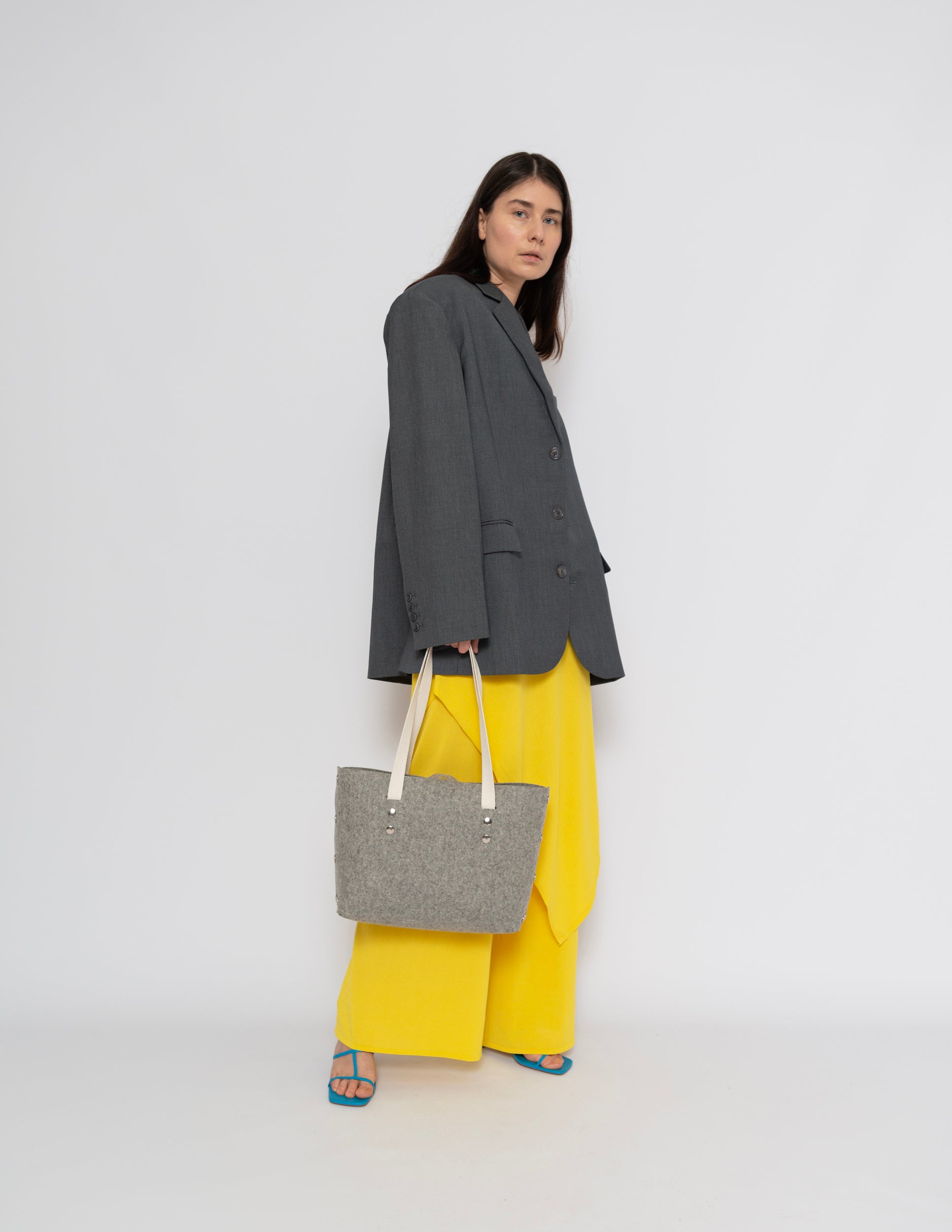
- Large, soft bags dominate everyday wear. Slouchy totes, oversized shoulder bags and roomy hobos respond to modern life, where people expect their bag to carry everything from laptops to gym gear.
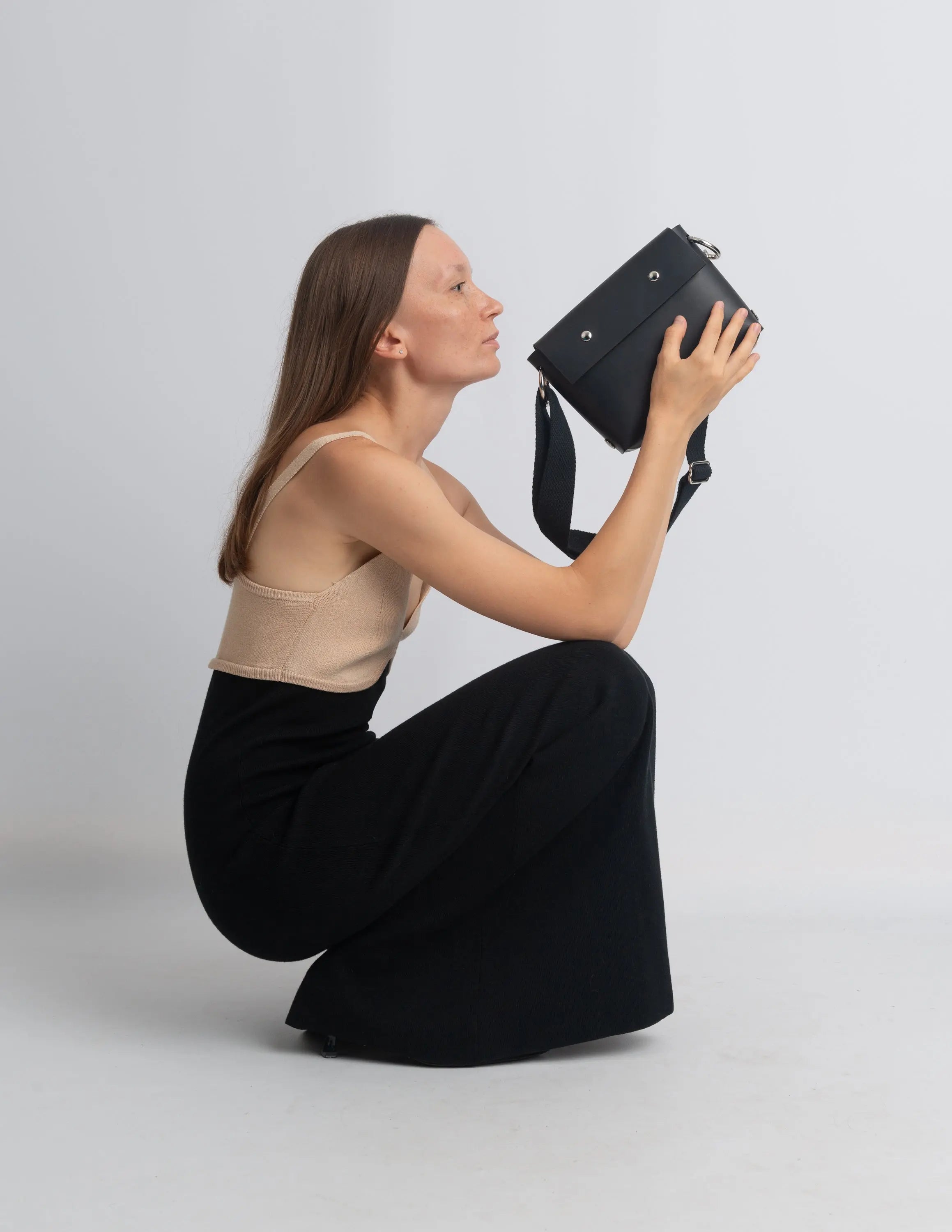
- Structured, geometric shapes provide a sharp counterpoint. Boxy top-handle bags and clean, architectural silhouettes appeal to those drawn to minimalism and order.
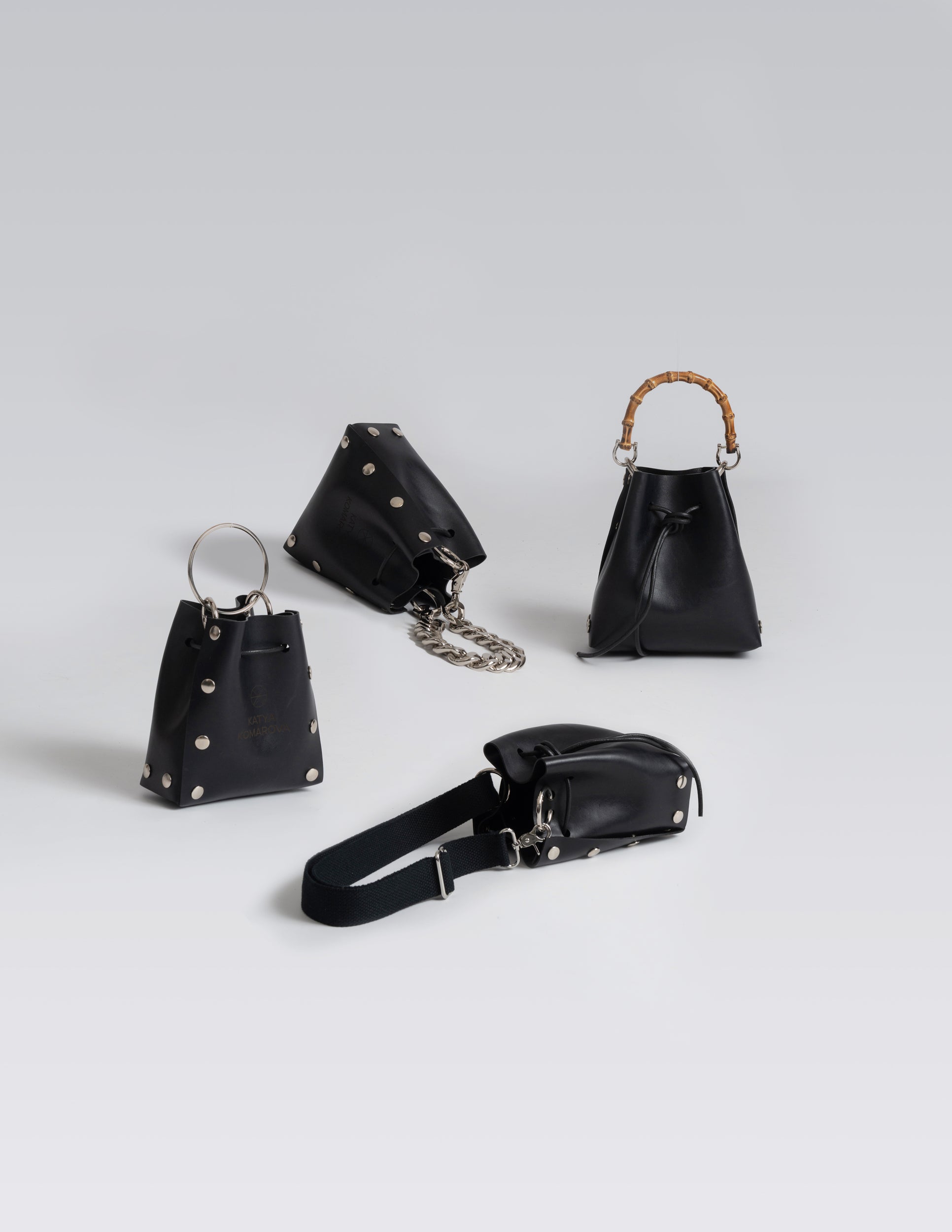
- Mini and micro bags remain relevant, but their role is symbolic rather than practical. These styles are worn as visual accents, particularly for evening or event dressing.

This diversity of scale reflects a broader trend: fashion that adapts to different moods, not rigid rules.
Materials that invite touch
In 2026, texture matters as much as shape. Bags are designed to be felt, not just seen.
- Soft leathers and suede finishes dominate, offering a sense of warmth and tactility.
- Natural and organic textures including woven, brushed or grain-forward materials, reinforcing a move towards grounded, sensory fashion.
- High-gloss and coated finishes appear selectively, usually paired with simple silhouettes to keep the look refined rather than flashy.
The emphasis is on materials that age well, developing character over time rather than looking pristine forever.

Colour: earthy, calm and confident
The colour palette for bags in 2026 leans towards quiet confidence.
Earth-based tones such as clay, sand, deep olive and warm brown form the foundation, offering versatility across seasons. These are complemented by soft neutrals such as cream, stone and muted grey that feel modern and calming.
When brighter colours appear, they are intentional and controlled: a single bold bag worn with an otherwise restrained outfit. Colour is used as punctuation, not noise.

Personalisation over logos
Brand visibility continues to take a back seat to personal expression. Instead of prominent logos, individuality is shown through:
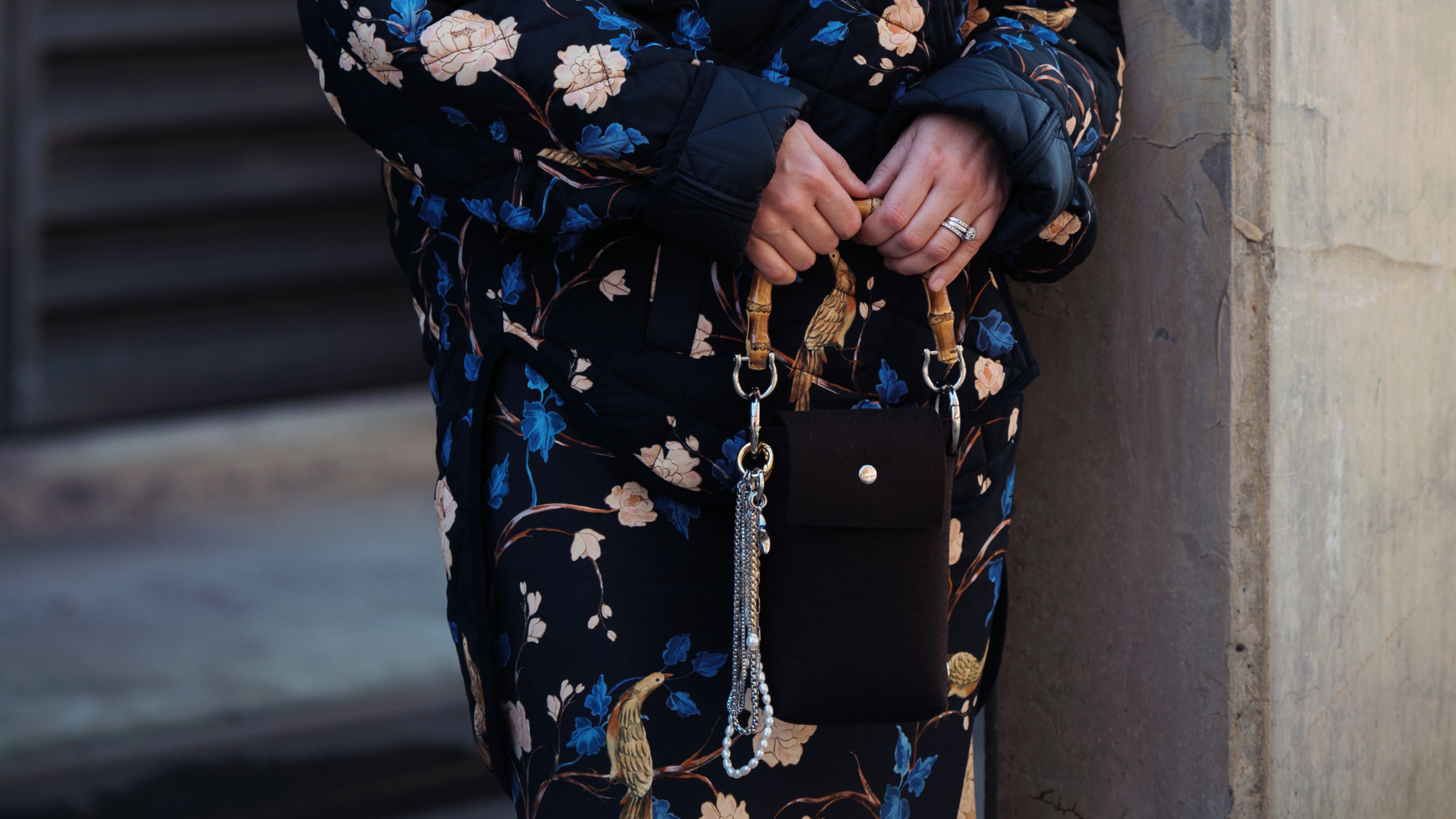
- Bag charms and attachments
- Mixed straps and hardware finishes
- Styling choices that reflect the owner’s lifestyle and interests
The result is a more intimate relationship with accessories. Bags feel owned, styled and lived-in rather than performative.

Function meets flexibility
Modern bags are expected to adapt. In 2026, versatility is built into design:
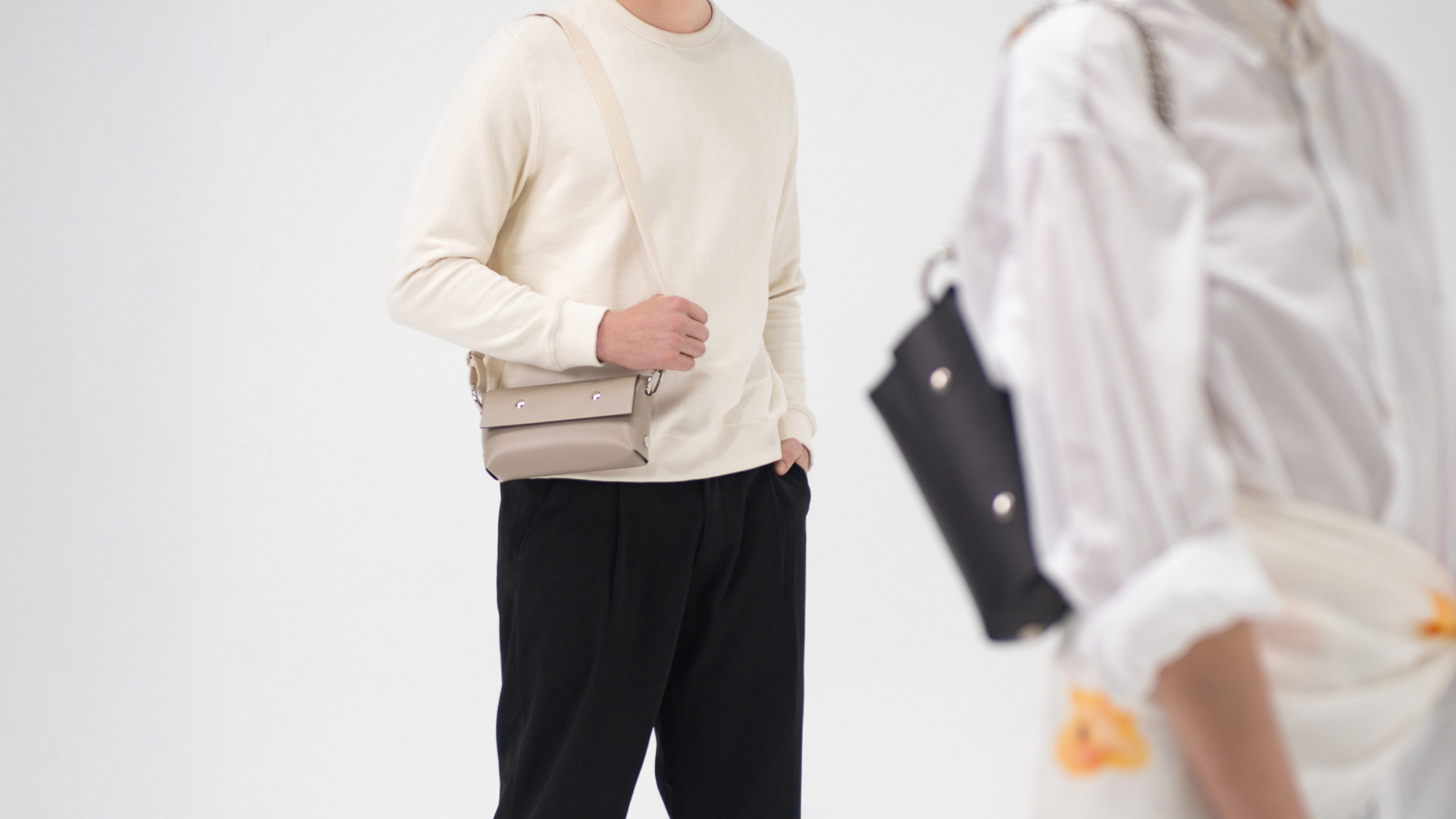
- Adjustable and removable straps allow one bag to serve multiple purposes.
- Hybrid designs blur the line between work, travel and casual use.
- Interiors are thoughtfully designed, prioritising organisation without rigidity.
This practical evolution reflects changing routines and less clearly defined boundaries between work and personal life.
Sustainability as a baseline expectation
Sustainability is no longer a headline feature, it is assumed. Consumers expect bags to be made with responsible materials, ethical production methods and a clear intention to last.
Durability, repairability and timeless design are increasingly valued over novelty. The most desirable bags are those that can stay relevant for years, not seasons.
The bigger picture
In 2026, bags represent far more than fashion trends. They reflect how people live, move and define themselves. Whether oversized or minimal, soft or structured, understated or expressive, the bag has become the most telling accessory of all.
As clothing silhouettes simplify, bags step forward carrying not just belongings, but personality, purpose and perspective.